

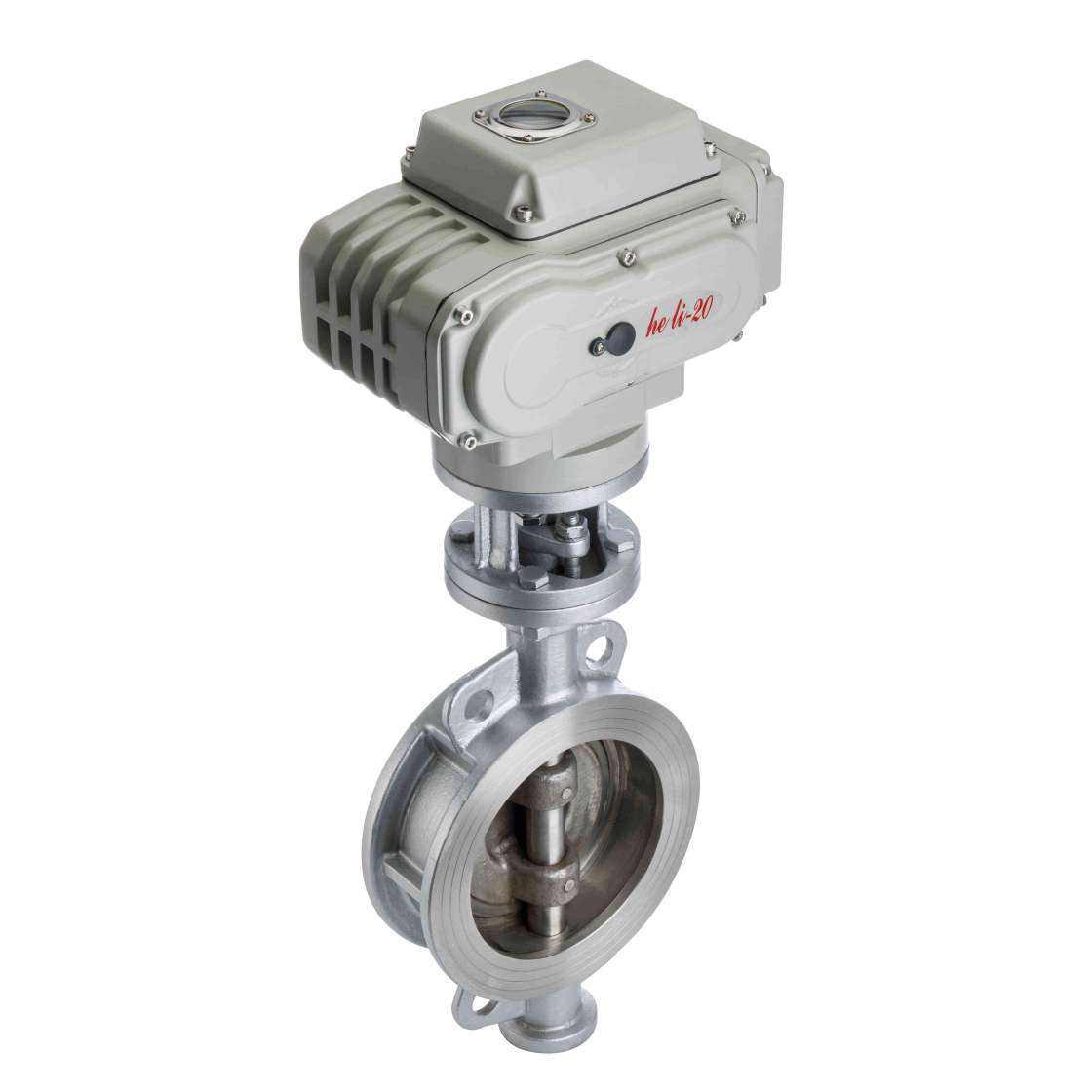
Electric three eccentric butterfly valves have gained significant popularity across various industries for their superior sealing performance, durability, and precise control over fluid flow. These valves, characterized by their unique three eccentric design, provide a more reliable and efficient solution for regulating flow, especially in challenging applications involving high pressure, temperature, and corrosive environments. In this article, we will explore the significance of electric three eccentric butterfly valves, the role of manufacturers in advancing this technology, and their widespread applications.
Understanding Electric Three Eccentric Butterfly Valves
A butterfly valve is a flow control device used to regulate or isolate the flow of liquids or gases within a pipeline. The three eccentric butterfly valve is a specialized variation of the standard butterfly valve, with the term "eccentric" referring to the offset design of the valve's shaft and disc. Unlike traditional butterfly valves, which have a single shaft axis, the three eccentric design introduces three levels of eccentricity — axial, radial, and angular — in the placement of the shaft relative to the valve disc. This design minimizes friction between the disc and the seat, enhancing sealing performance and extending the valve’s operational life.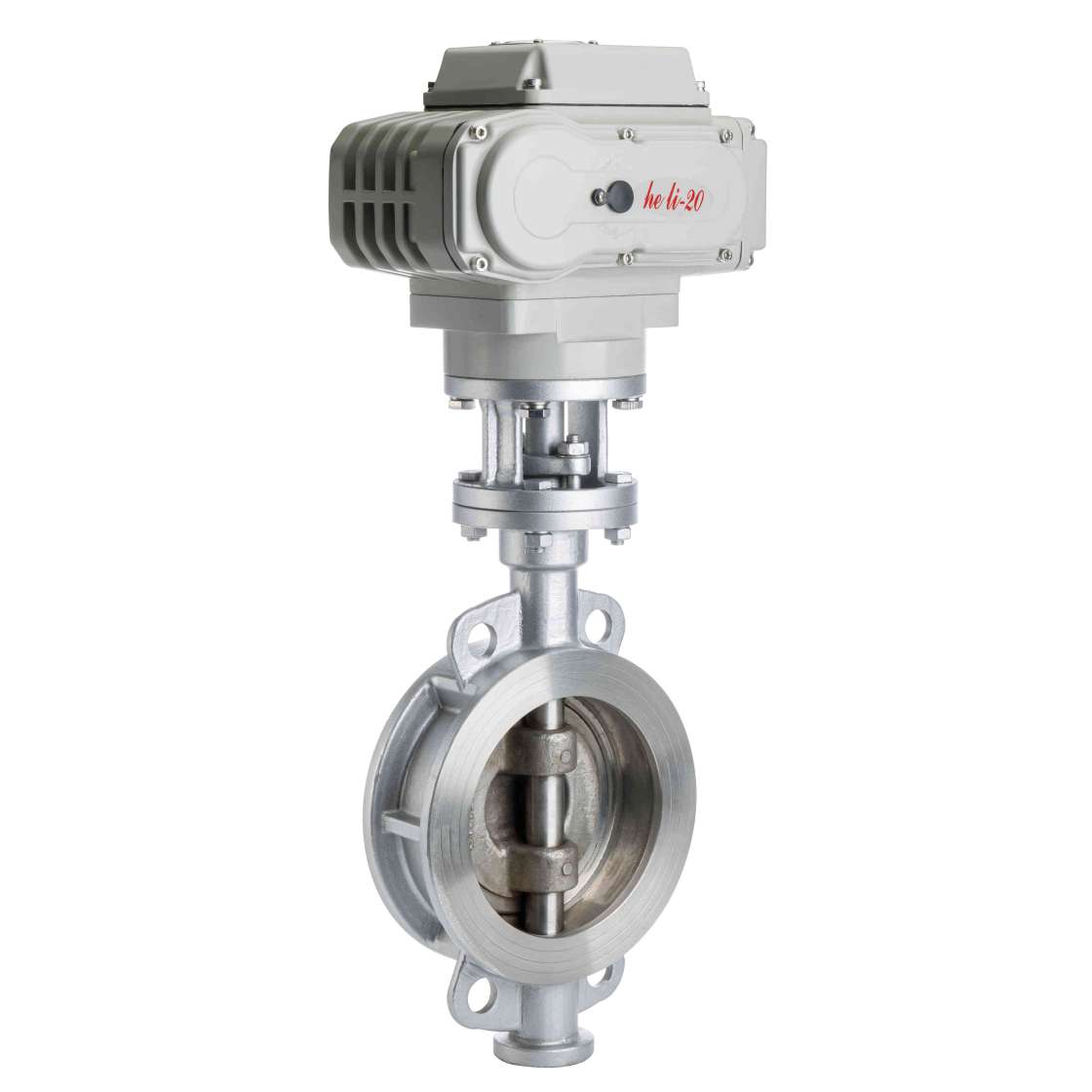
 Chat Oline