

As the world moves towards sustainable energy solutions to combat climate change and reduce carbon emissions, the advancements in energy storage technologies have become increasingly critical. Among the most promising technologies are hydrogen energy and lithium batteries, both of which play vital roles in the transition to cleaner energy. However, behind the scenes, there is another component that is essential for the efficient and safe operation of these technologies—the hydrogen energy lithium battery valve.

Understanding the Basics
Before delving into the specifics of valves, it's crucial to understand hydrogen energy and lithium batteries. Hydrogen energy is derived from hydrogen gas, which can be utilized in a variety of applications, primarily through fuel cells. These devices convert hydrogen and oxygen into electricity, water, and heat, generating power without harmful emissions. On the other hand, lithium batteries, particularly lithium-ion batteries, are widely used for energy storage in a plethora of devices, including electric vehicles (EVs), smartphones, and renewable energy systems. They are favored for their high energy density, long cycle life, and relatively low self-discharge rates.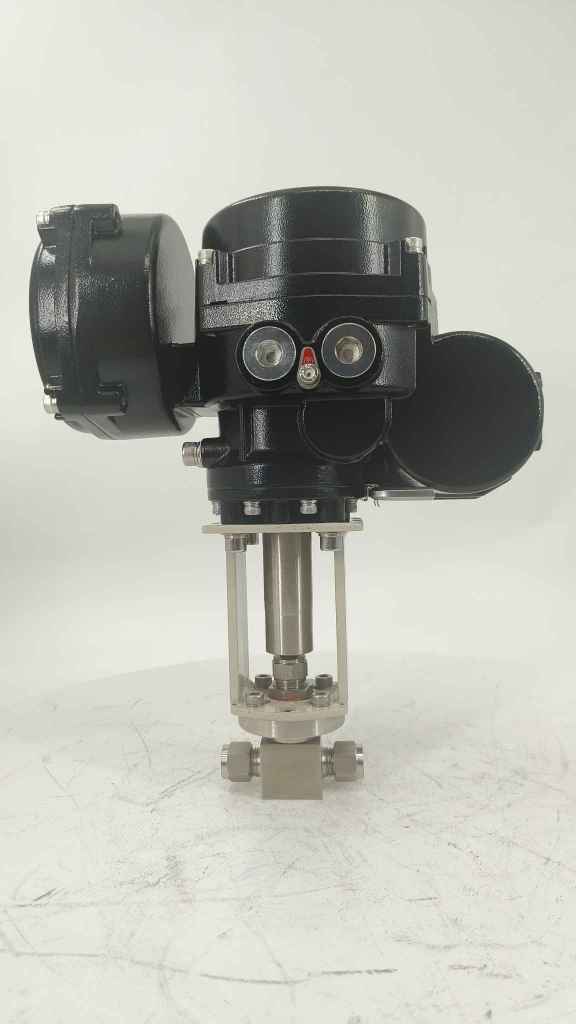

 Chat Oline