

The WCB Electric Flange Ball Valve is a key component in many industrial systems, offering precise control over the flow of fluids. These valves are designed to handle high-pressure and high-temperature environments, making them indispensable in industries such as oil and gas, power generation, and chemical processing. This article provides a detailed overview of the WCB Electric Flange Ball Valve, including its features, benefits, and common applications.
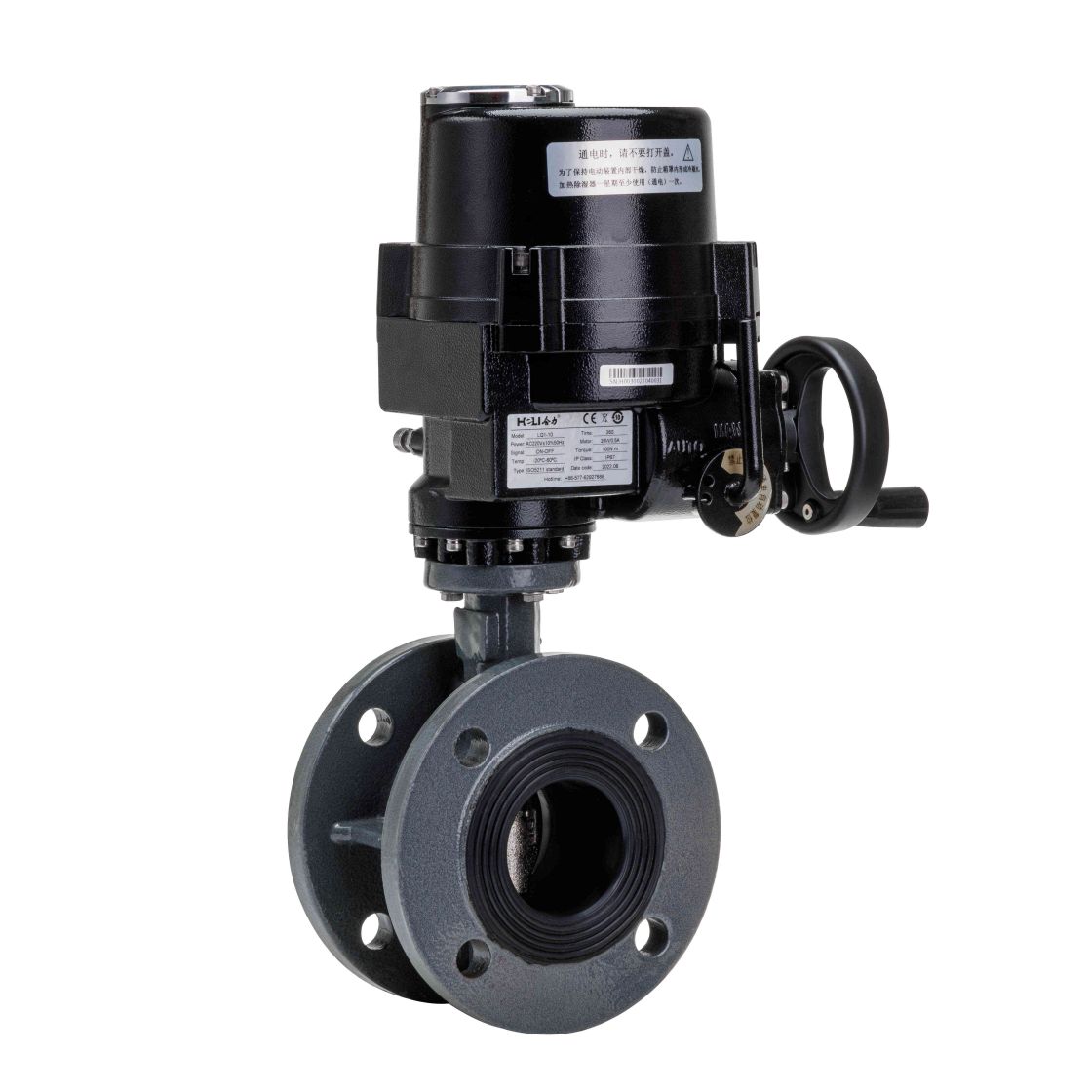
Understanding the WCB Electric Flange Ball Valve
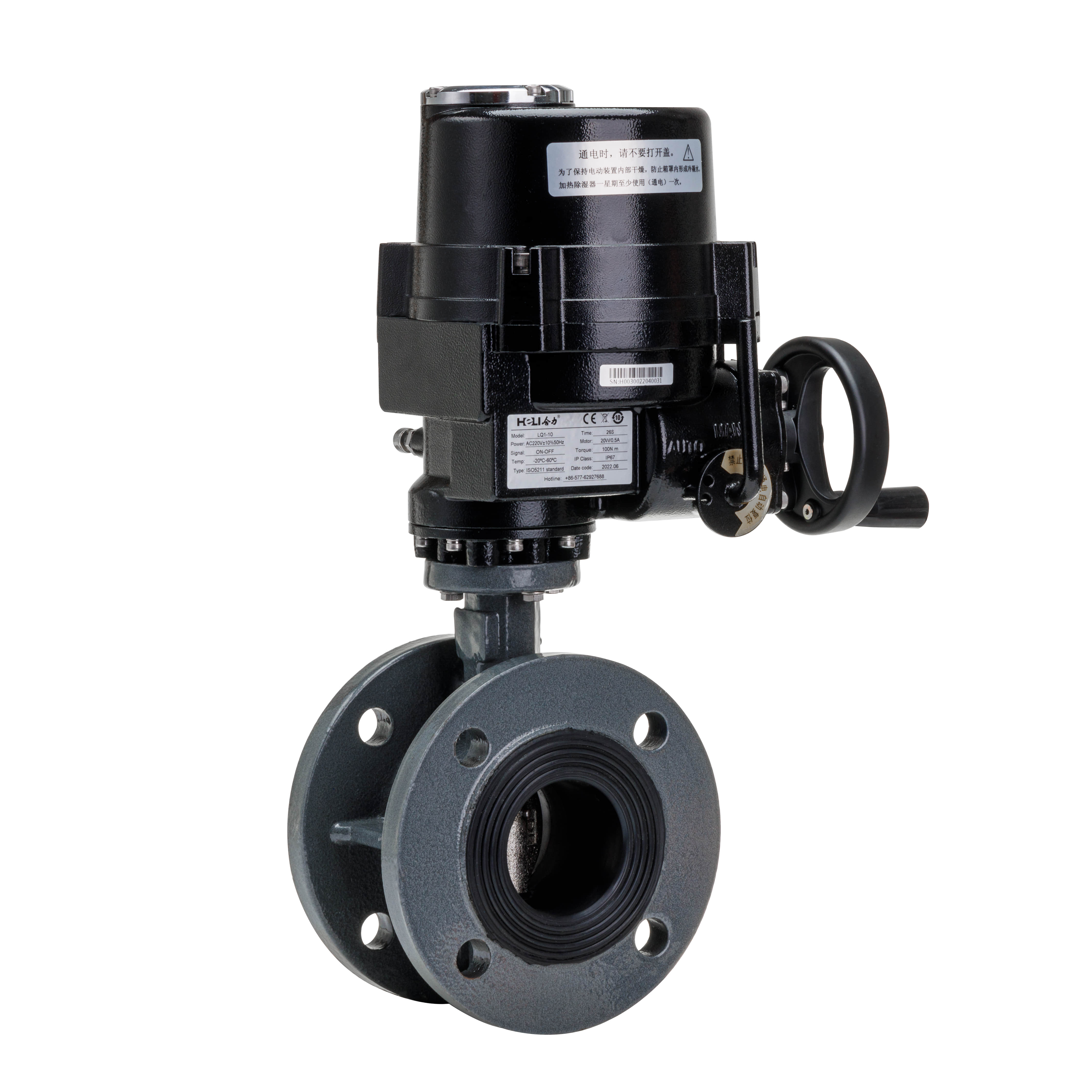
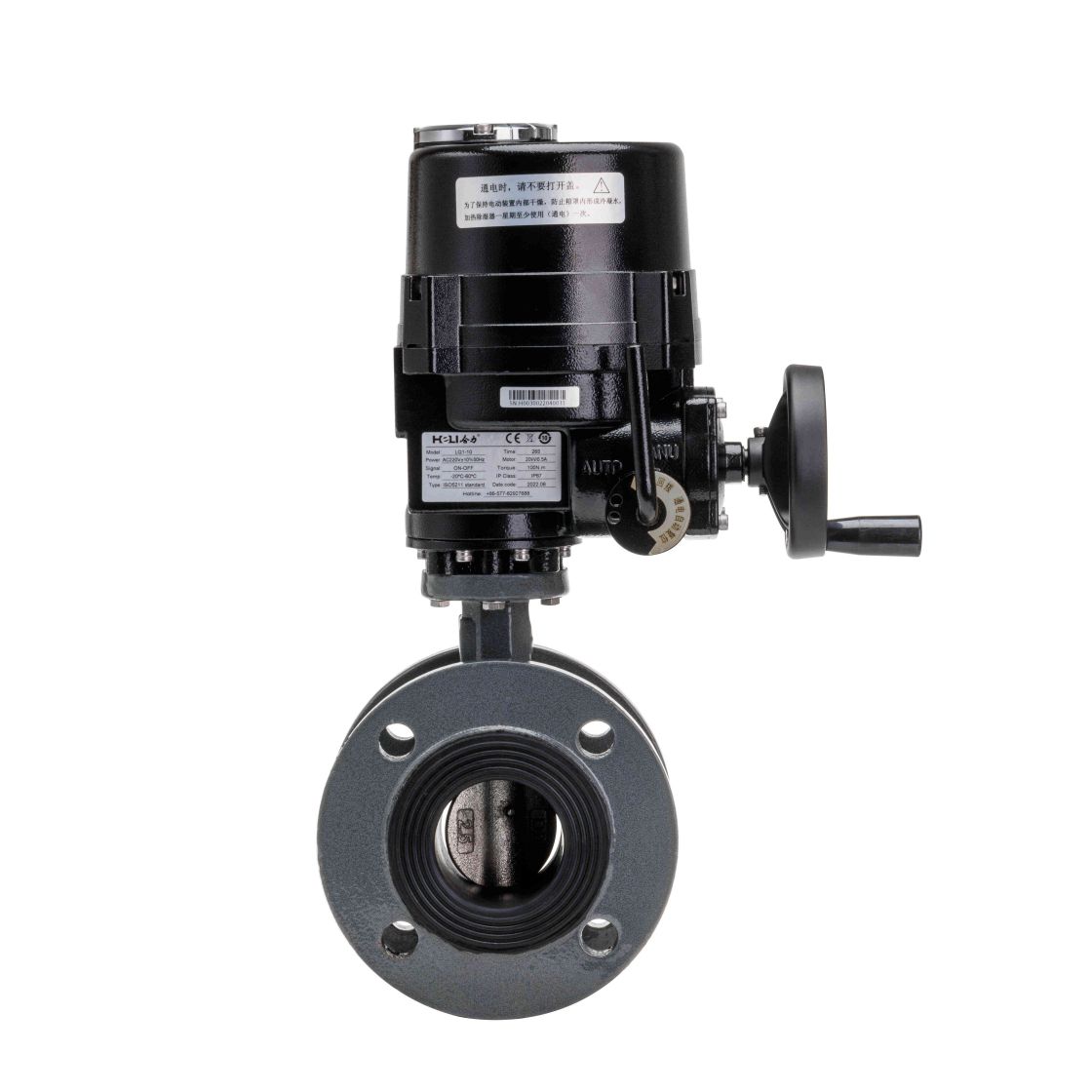
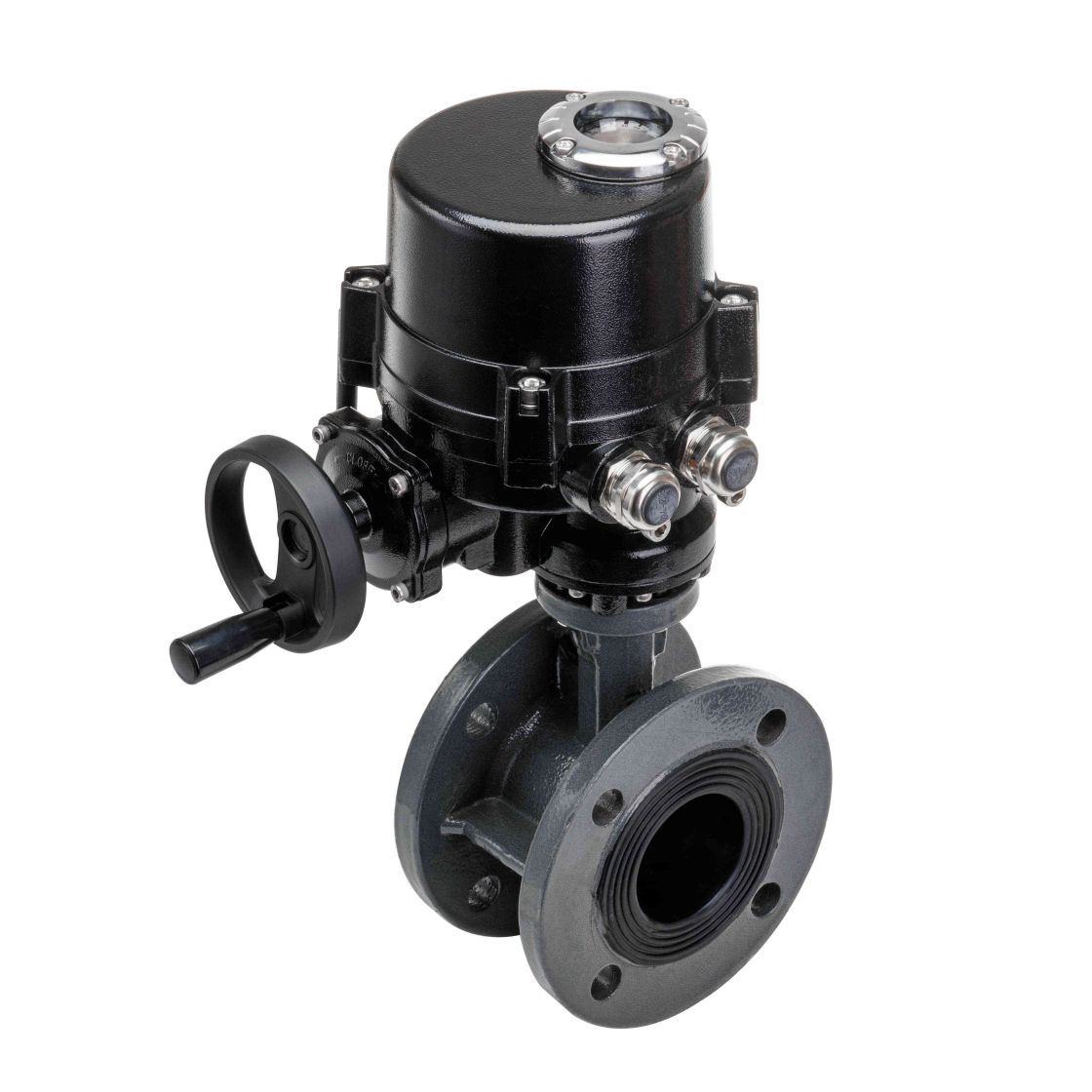
The "WCB" designation refers to the material used in the construction of the valve, which is typically a type of cast steel known for its durability and ability to withstand high pressure. The "Electric" part of the name indicates that the valve is actuated by an electric motor, allowing for remote control and automation. The "Flange" aspect refers to the connection method, where the valve is installed with flanges to ensure a secure and leak-proof connection to the pipeline.
 Chat Oline