the advantages and applications of the electric pinch valve
Release time:2026-01-04 05:39:34
Electric pinch valves are an essential component in various fluid control systems, providing an efficient and reliable way to regulate the flow of liquids, gases, and other substances in pipelines. Unlike traditional valves, electric pinch valves use a flexible tube or hose that can be constricted by an electric actuator to control the flow of materials. These valves are particularly effective in handling fluids with suspended solids or particles, making them a popular choice across industries such as chemical processing, food and beverage, pharmaceuticals, and wastewater treatment.
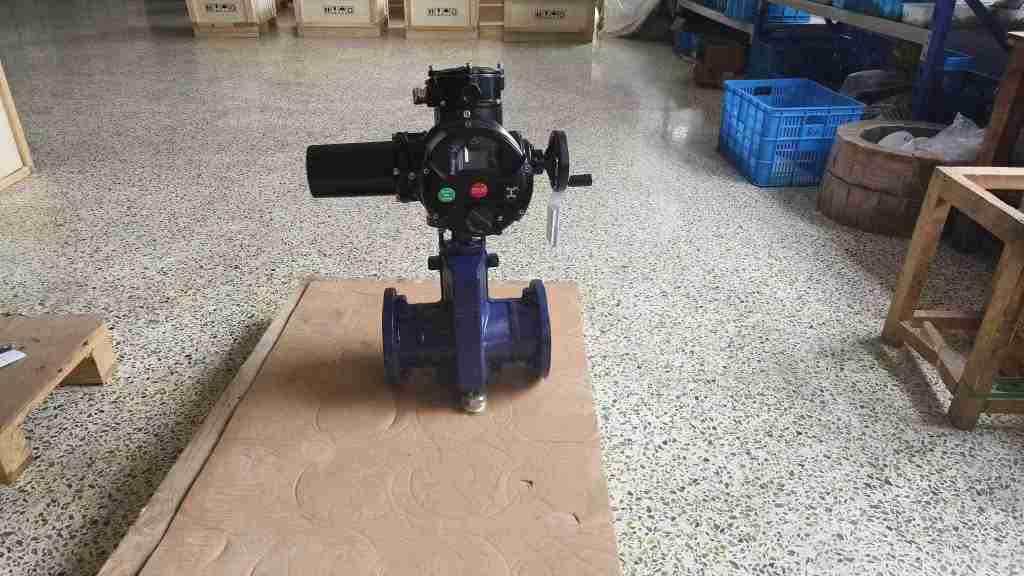
What is an Electric Pinch Valve?
An electric pinch valve consists of a flexible elastomeric tube, typically made of rubber or another flexible material, that is clamped by a mechanical actuator. The actuator, powered by electricity, moves a pair of pinch rollers or a similar mechanism to squeeze the flexible tube, restricting or allowing the flow of fluid through the pipeline. The degree of compression determines the flow rate, and by adjusting the actuator, operators can control the flow with precision.
One of the key benefits of the electric pinch valve is its simplicity in design. It does not require complex internal components, such as seals or seats, which are typically found in traditional valves. This makes it less prone to wear and tear, which contributes to its long service life. Additionally, the absence of moving parts within the flow path ensures that the fluid does not come into contact with the valve's mechanical components, minimizing the risk of contamination.


 Chat Oline