

Blog
understanding the role and importance of hydrogen energy pneumatic ball valves in hydrogen systems
Release time:2025-12-06 06:07:00

    Hydrogen energy is emerging as a key player in the global shift towards cleaner, renewable energy sources. As the world seeks to reduce carbon emissions and reliance on fossil fuels, hydrogen, with its high energy content and zero-emission output, is being considered as a versatile and sustainable alternative. Within hydrogen energy systems, one of the critical components ensuring safe and efficient operation is the Hydrogen Energy Pneumatic Ball Valve. This valve plays a crucial role in managing the flow of hydrogen gas, which is highly sensitive and reactive. In this article, we will explore the function, design, and significance of hydrogen energy pneumatic ball valves in hydrogen systems.
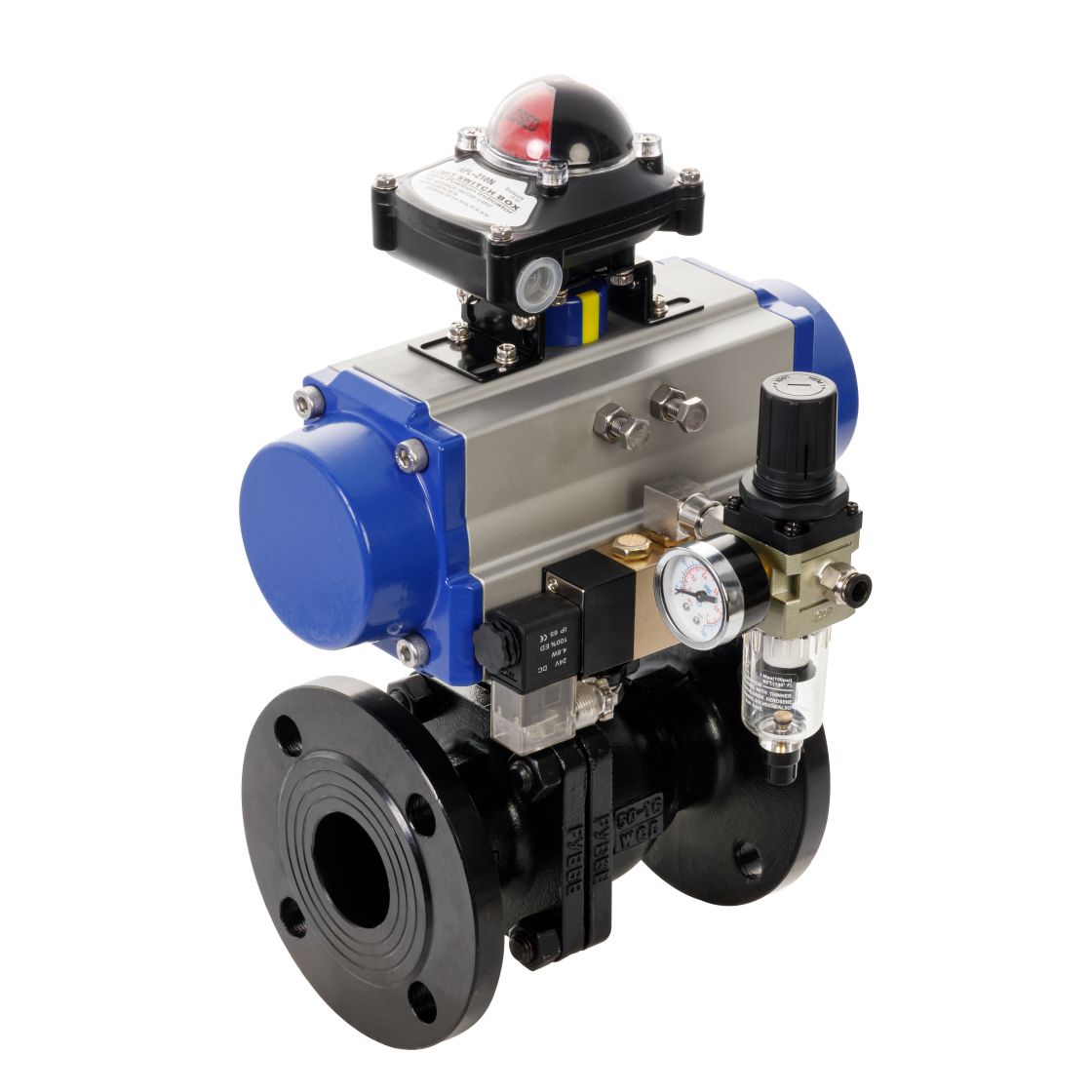
Hydrogen energy Pneumatic ball valve

    1. What is a Hydrogen Energy Pneumatic Ball Valve?
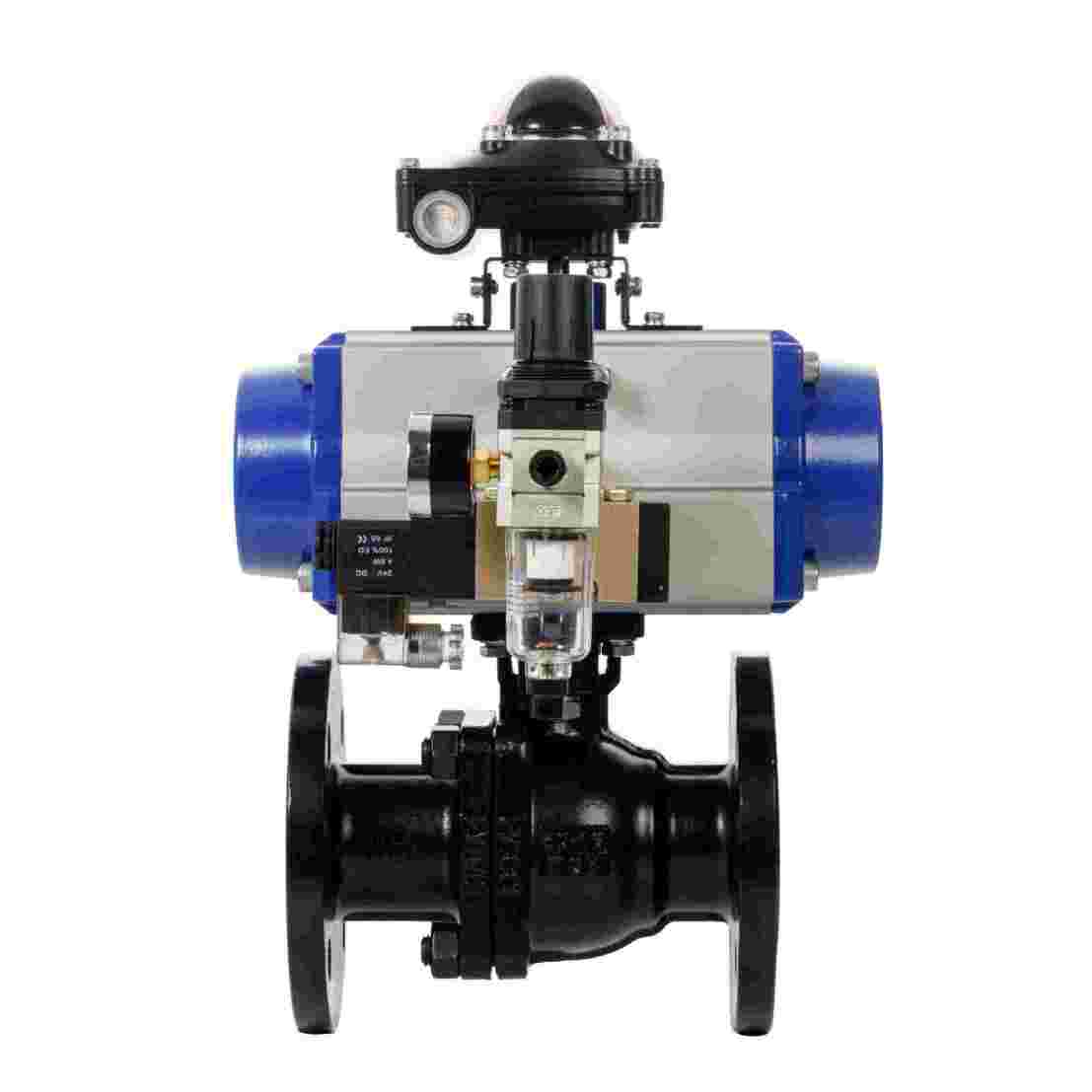
Hydrogen energy Pneumatic ball valve

    A hydrogen energy pneumatic ball valve is a type of valve used to control the flow of hydrogen gas in various hydrogen-related applications. The valve operates by rotating a hollow, spherical ball inside the valve body. When the hole of the ball aligns with the pipeline, hydrogen flows freely; when the ball is rotated 90 degrees, the hole is blocked, thus halting the flow of gas. The pneumatic aspect of the valve refers to its use of compressed air (or another pneumatic actuator) to rotate the ball, making it an efficient and reliable method for controlling the flow.

Hydrogen energy Pneumatic ball valve