


Electric valves are automated devices that control the flow of fluids in pipelines and processing systems. These valves are operated by electric actuators, which convert electrical signals into mechanical motion to open or close the valve. The primary advantage of electric valves is their ability to function in remote locations without manual intervention, making them ideal for industries where precision and control are paramount.
Electric valves come in several types, including ball vaves, butterfly valves, globe valves, and control valves. Each type serves a specific function, with applications ranging from controlling large volumes of liquid or gas to finely regulating the flow in sensitive environments.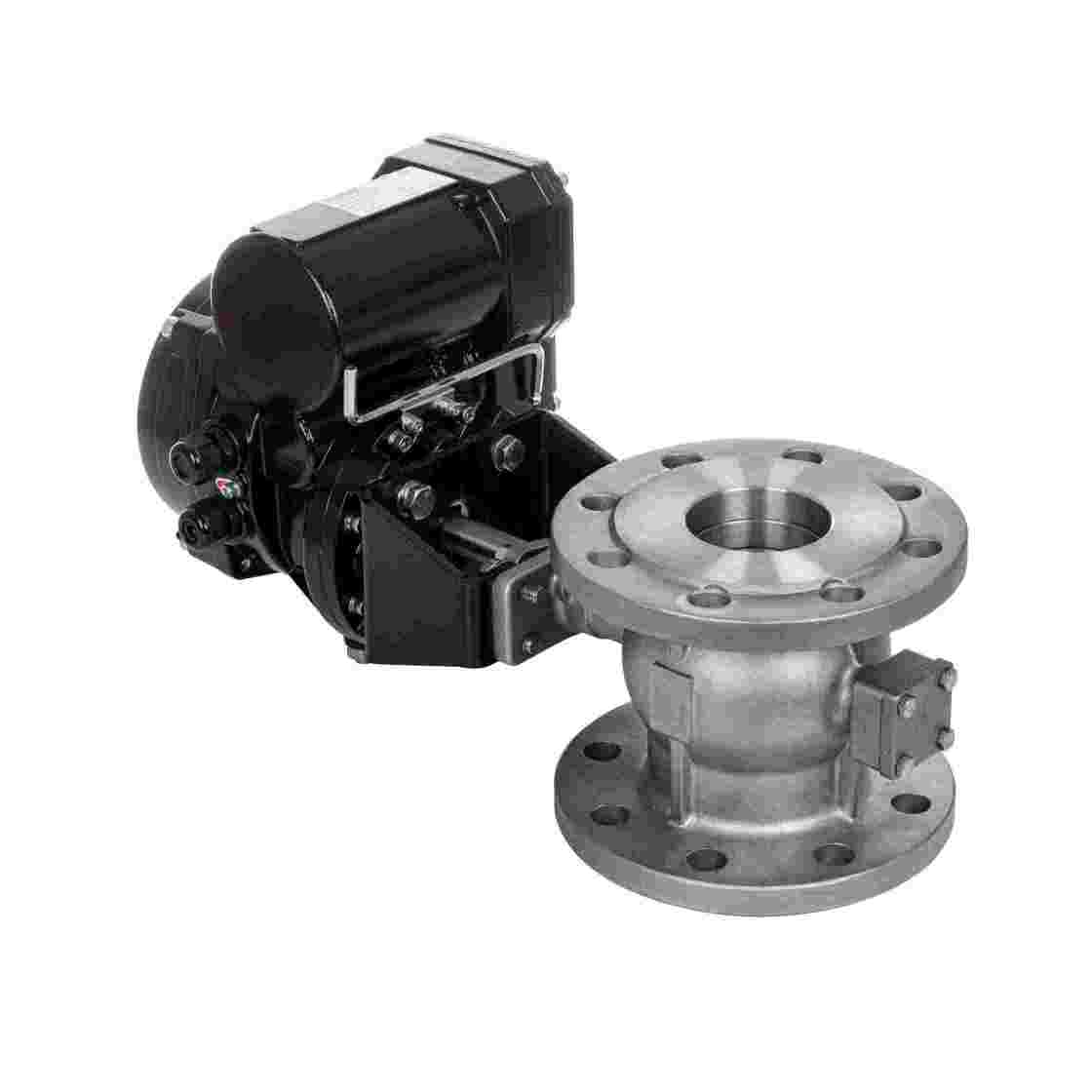

l Electric valves are crucial components in industrial automation systems, helping manage the flow of liquids, gases, and other substances with precision and reliability. As industries worldwide strive for enhanced efficiency and automation, electric valve manufacturers play an essential role in ensuring that these systems function optimally. This article explores the significance of electric valve manufacturers in various sectors, the types of valves they produce, and the benefits their products offer.
Understanding Electric Valves
 Chat Oline