understanding electric valves: a key component in automation
Release time:2026-04-27 15:35:25
Electric valves are crucial devices utilized across various industries for regulating the flow of fluids, ranging from water to gases and oils. By integrating electrical control mechanisms with traditional valve designs, electric valves offer efficient solutions for fluid management, making them essential for automation and control processes. This article will delve into the workings, advantages, and applications of electric valves, highlighting their significance in modern industrial systems.

What is an Electric Valve?

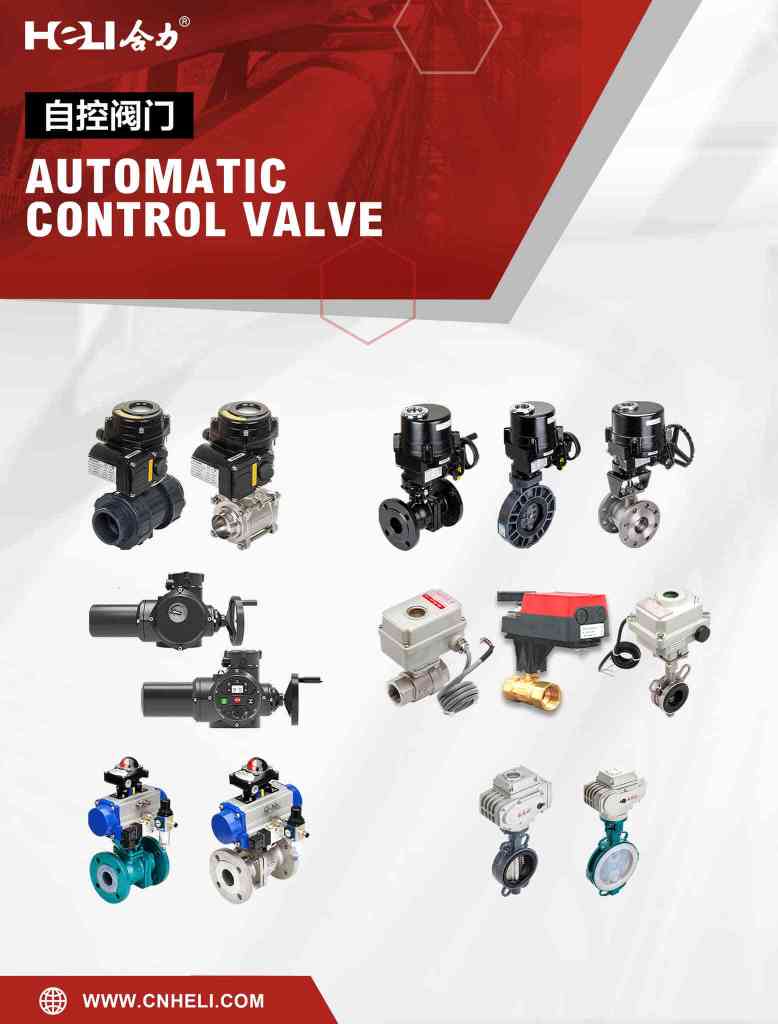
An electric valve consists of two main components: the valve body, which can be a ball valve, butterfly valve, gate valve, or globe valve, and an electric actuator that drives the valve's movement. The actuator receives signals from a control system that dictates whether to open, close, or modulate the valve’s position. This combination allows for precision in fluid control, making electric valves increasingly popular in automated systems.
Working Principle


 Chat Oline