

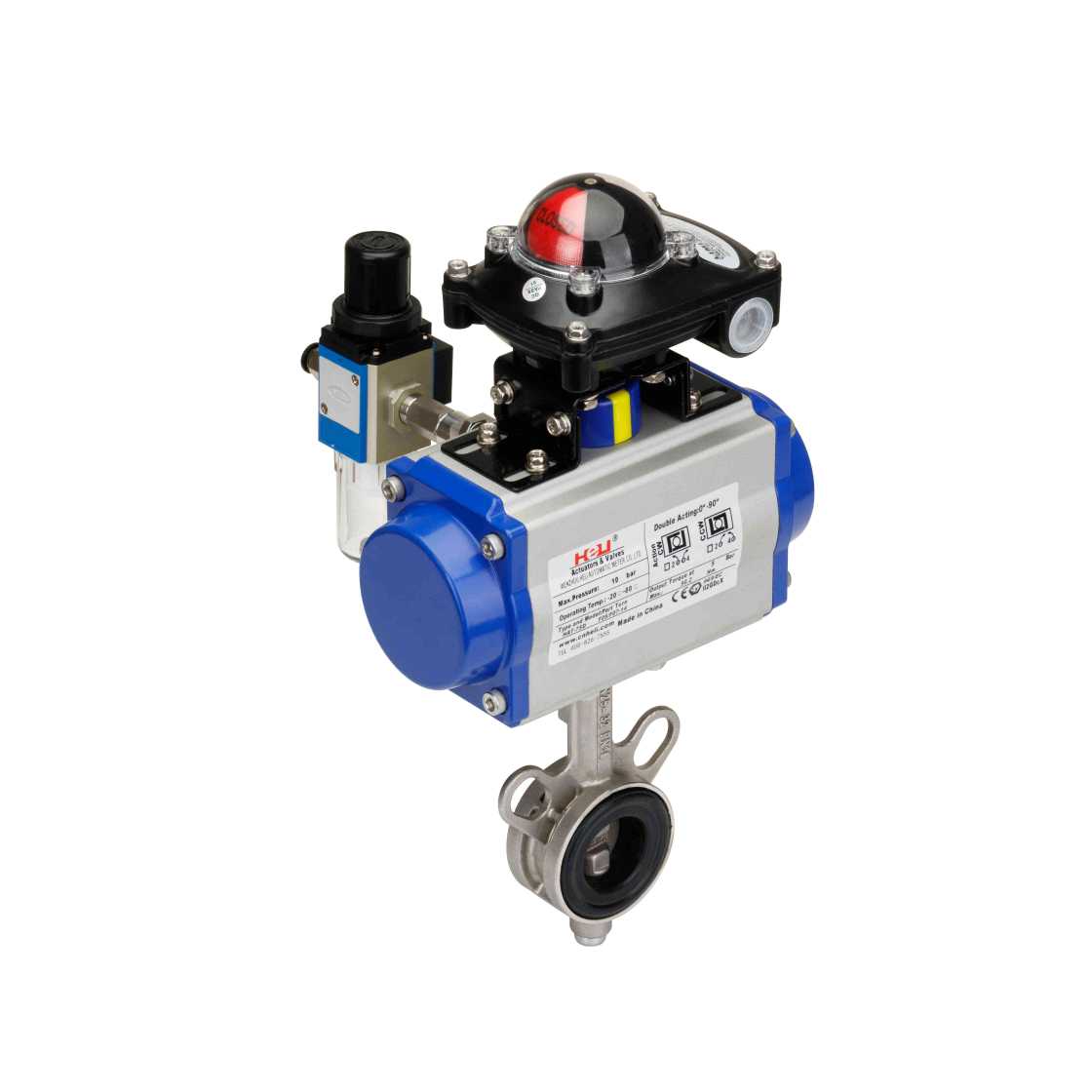
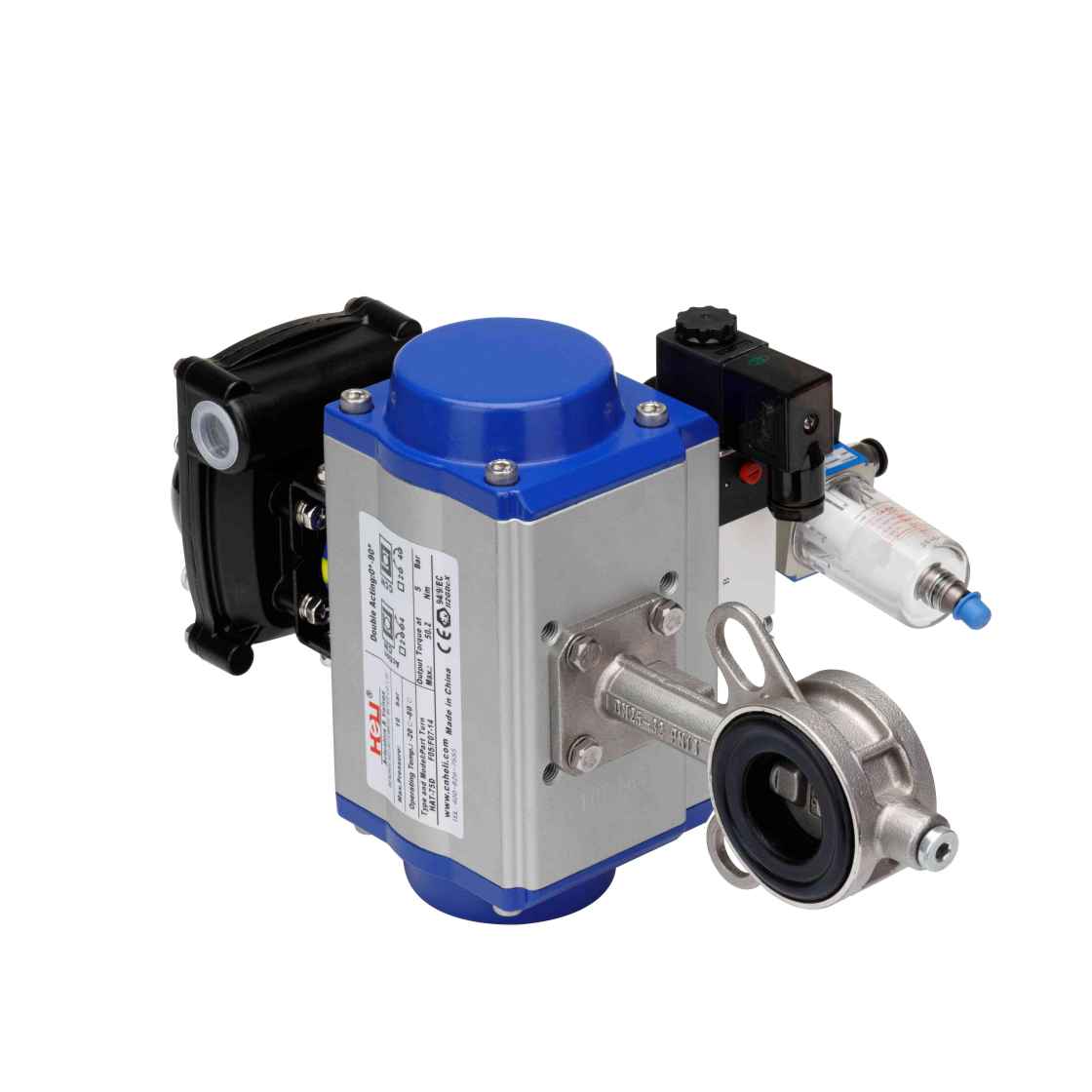
The Pneumatic Butterfly Valve is an essential component in modern fluid control systems, widely used across a variety of industries for its simplicity, reliability, and efficiency. This type of valve is designed to control the flow of liquids, gases, and other media by regulating the movement of a disk or butterfly-shaped plate. Pneumatic-driven, it uses compressed air to operate the valve, making it a versatile choice for applications requiring rapid response times and precise control over flow rates. In this article, we will explore the working principles, features, applications, advantages, and limitations of the Pneumatic Butterfly Valve, shedding light on why it is a preferred choice in numerous industries.
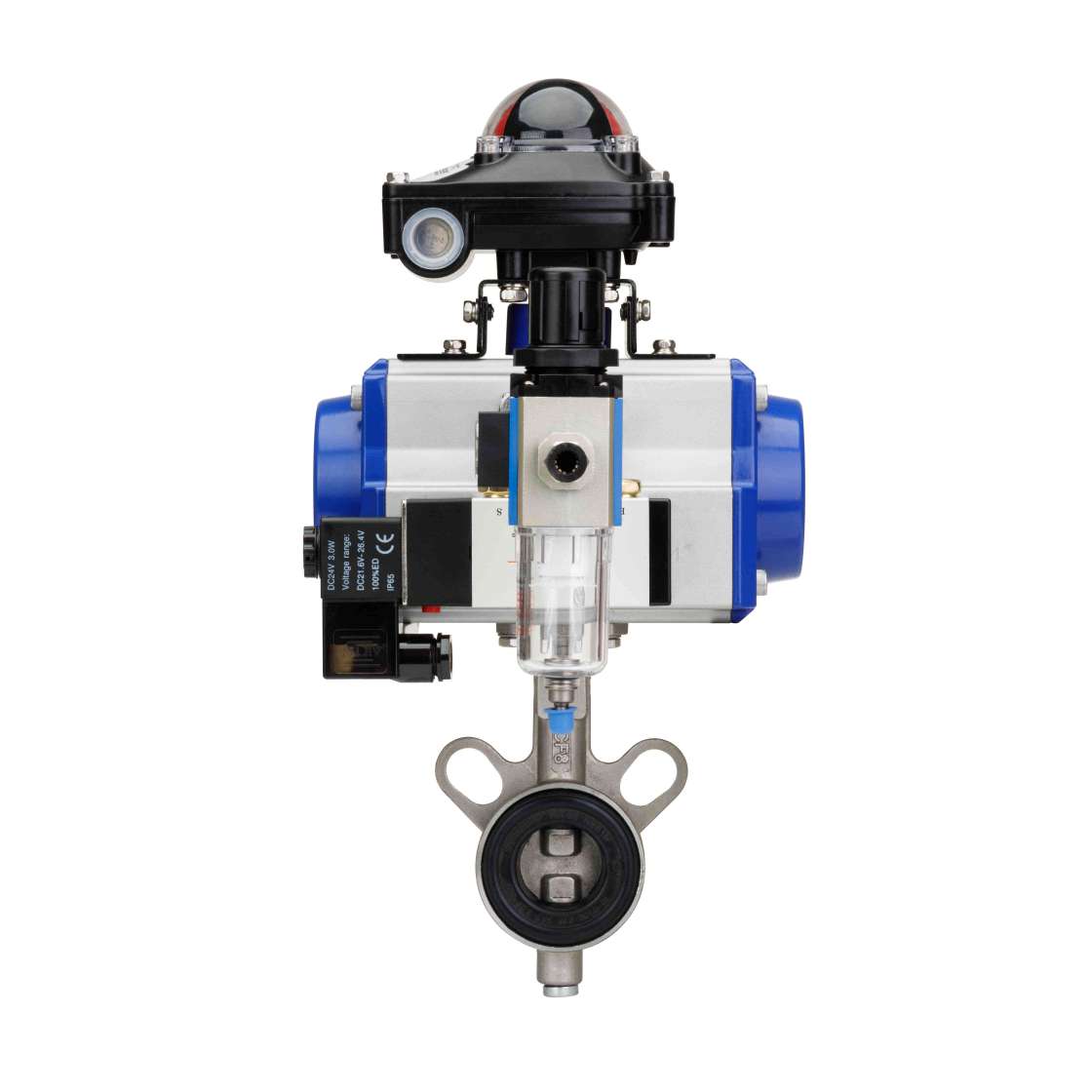
Working Principle of Pneumatic Butterfly Valves
 Chat Oline